The Dark Side of AI: How Russian Propaganda Leverages Artificial Intelligence
The advent of artificial intelligence (AI) is reshaping the global information landscape at an unprecedented pace. While AI offers immense potential, it also introduces significant risks, particularly in the realm of disinformation and propaganda.
One of the most pressing concerns is how AI is being exploited by authoritarian regimes, including Russia, to disseminate false information and destabilize democratic societies. This trend poses a severe threat to the integrity of the information we consume and the stability of international relations.
The Rise of AI-Driven Disinformation
AI-based tools are increasingly being used to create convincing but false narratives. These tools can generate vast amounts of content rapidly, making it challenging to distinguish between fact and fiction. As AI continues to advance, the sophistication of these manipulative techniques has reached new heights.
Malicious actors leverage AI to produce realistic deepfakes, automated bots, and sophisticated algorithms to overwhelm social media platforms with misinformation. The repercussions of this can be devastating, influencing public opinion and undermining trust in democratic processes.
According to Microsoft’s annual cyber threat report (2024), nations like Russia, Iran, and China are increasingly using AI-generated content to promote their agendas. These countries invest heavily in AI technology to enhance their propaganda efforts, aiming to achieve greater efficiency and reach.
Expanding Russian Propaganda Capabilities Through AI
Russia has been at the forefront of using AI to wage information warfare. The country’s disinformation campaigns often target Ukraine, NATO countries, and key Western allies. By employing AI, Russian propagandists have developed new methods to spread their messages.
Bot farms, which were traditionally used to disseminate propaganda, have been revolutionized by AI. These AI-driven bot networks can now produce and distribute large volumes of content with unprecedented speed and precision. RT (Russia Today), a state-owned media outlet, utilizes AI to manage its bot network effectively, spreading disinformation through social media.
A joint statement from the FBI and several European cybersecurity agencies in July 2024 highlighted how RT used the Meliorator software, enhanced with AI, to create fictitious online users across multiple countries. This tool was used to spread disinformation about various nations.
RT and similar entities remain under constant surveillance by Western governments. However, the accessibility of AI tools means that Russian propaganda can now circumvent traditional monitoring methods more easily.
AI Chatbots and Disinformation
The popularization of AI-based chatbots presents another avenue for disseminating propaganda. Studies show that leading chatbots, including ChatGPT-4 and others, can sometimes generate responses based on false information embedded in the global internet.
According to a NewsGuard study, approximately one-third of chatbots’ responses were grounded in fake news sites with signs of manipulation and disinformation. This vulnerability highlights the urgent need to clean and verify the data used to train these AI systems.
The issue of AI chatbots being influenced by Russian propaganda is compounded by the emergence of Chinese-origin chatbots. These new technologies could further exacerbate the problem by providing additional channels for spreading false narratives.
Russia’s “Sovereign AI” Path
Russia is committed to developing its own AI ecosystem, which it refers to as “sovereign AI.” This initiative is part of a broader strategy to reduce dependency on foreign technologies and maintain control over critical data.
Russia’s “National Strategy for AI Development until 2030” underscores the importance of fostering domestic AI technologies. The goal is to achieve independence in AI by prioritizing the use of local products and solutions.
The government is focusing on developing chatbots similar to those created by companies like OpenAI. Efforts include the creation of “GigaChat,” funded by Sberbank, and “YandexGPT” by Yandex. These projects reflect Russia’s ambition to compete with technological leaders like the United States and China.
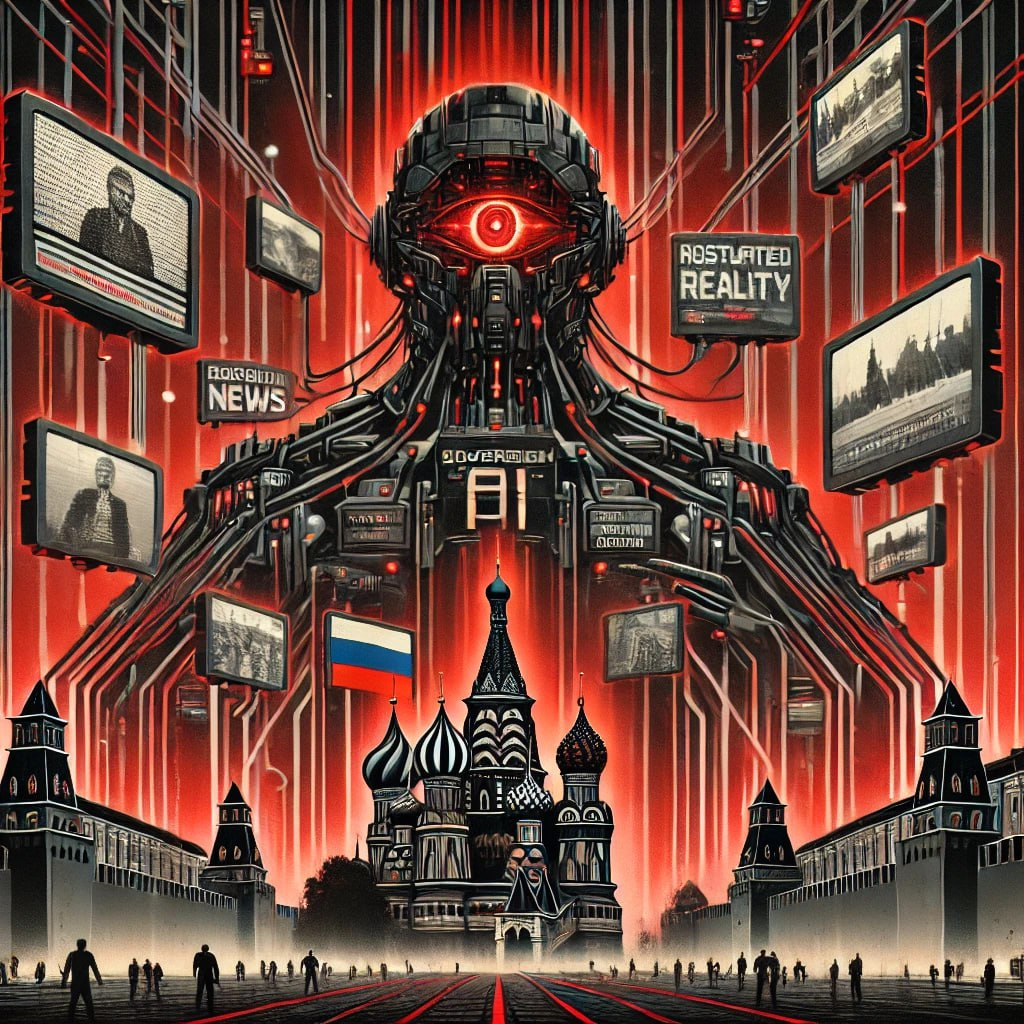
The Kremlin believes that developing a sovereign AI system will help protect Russian data privacy and allow the government to impose stricter controls over AI-generated content. This approach reflects the broader ideological rivalry with the West.
At the state level, Russia’s National Center for AI Development oversees the integration of AI technologies across various sectors, including the military. The establishment of a specialized department in the Ministry of Defense underscores the country’s strategic focus on AI for military applications.


The Cost of Developing Sovereign AI
Despite significant war-related expenditures, Russia continues to invest heavily in AI development. This year, the federal project “Artificial Intelligence,” which supports various AI applications, will receive 7.7 billion rubles.
From 2025 to 2027, total budget allocations for this project are expected to reach approximately 26.49 billion rubles. The country is also committed to training a significant number of AI specialists, aiming to graduate 15,500 over the next five years.
Russia’s investment in AI is particularly notable in the military and information warfare sectors. Although much of this spending remains undisclosed, it is clear that the government is prioritizing AI as a key component of its strategic capabilities.

The contract is estimated at $300 million
However, Russia’s ambitions in AI are hampered by economic constraints. The country lacks the technological infrastructure and resources to compete with international giants like the United States, China, and Europe. Sanctions further limit Russia’s ability to access advanced technology.
Despite these challenges, the Kremlin remains committed to developing its AI capabilities. While Russia may not lead in global AI innovation, its efforts to use AI for propaganda and destabilization remain a significant concern.
The Urgency of AI Ethics and Regulation
The evolving landscape of AI-driven disinformation underscores the need for robust ethical guidelines and regulatory frameworks. Governments, tech companies, and civil society must collaborate to develop mechanisms for identifying, filtering, and labeling AI-generated content.
Preventing the exploitation of vulnerabilities in democratic information ecosystems is a shared responsibility. Effective counter-disinformation strategies are essential to maintain public trust and protect democratic institutions.
As we navigate the complexities of the AI era, it is crucial to recognize both the benefits and the risks. By fostering transparency, accountability, and responsible AI usage, we can harness the power of AI for the betterment of society.
By Volodymyr Solovian
Stay informed about the latest developments in AI and security. Share this article on social media to help raise awareness and protect our democracies from AI-driven disinformation.
The post AI and Disinformation: Russia’s Sovereign AI Campaigns and Global Manipulation appeared first on Archynetys.