Den Bosch roofer War: Escalation and Intimidation Continue
Table of Contents
- Den Bosch roofer War: Escalation and Intimidation Continue
- Revolutionizing Urban Mobility: The rise of Flying Taxis in Eindhoven
- Dutch Police Embrace AI: Predictive Policing Sparks Debate in Eindhoven
- Escalating Roofer War in Aawijk: Community Impact and Investigation
- Eindhoven’s Housing Crisis: Innovative Solutions and Community Impact
By Archnetys News Team | Published: 2025-04-09
Targeted Intimidation Persists in Den Bosch Roofing Dispute
Despite a brief lull at teh start of 2025, the ongoing conflict gripping the roofing industry in Den Bosch, Netherlands, continues to escalate. While the frequency of attacks decreased compared to the intense period in late 2024, targeted intimidation and property damage persist, especially affecting one roofer residing in the Leyhof neighborhood.
Leyhof Resident Endures Repeated Attacks
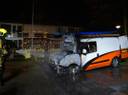
The Leyhof address has become a focal point in this disturbing saga. The resident roofer has been subjected to a series of alarming incidents, including four explosions at his property. Beyond the explosions, acts of vandalism and intimidation have been carried out, creating an atmosphere of fear and uncertainty.
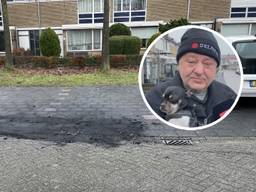
Specifically, in January 2025, threatening graffiti, including the letters KK
and the word War
, were spray-painted on the sidewalk outside the residence. Adding to the sense of danger, in February, a manhole cover was hurled through a window of the home, causing further damage and distress.
A Timeline of Terror: From Explosions to Vandalism
The attacks against the Leyhof resident began in February 2024. The situation intensified with three explosions occurring between August and December 2024, targeting both the roofer’s company vehicle and his home. Law enforcement officials suspect that these explosions are linked and carried out by the same individual or group.
While the motive remains unclear, the pattern of attacks suggests a deliberate campaign of harassment and intimidation. The police are actively investigating these incidents and seeking information that could lead to the apprehension of the perpetrator(s).
Brief Respite Followed by Renewed Hostilities
Following a period of intense activity in the fall of 2024, which saw approximately 24 attacks primarily targeting company vans, the beginning of 2025 brought a temporary reduction in incidents. Though, this period of relative calm proved to be short-lived, as the focus shifted towards direct intimidation tactics against the leyhof resident.
The initial decrease in attacks offered a brief sense of relief to the community, which had been living under the shadow of near-nightly incidents. However, the subsequent escalation of targeted intimidation demonstrates the persistent nature of this conflict and the challenges faced by law enforcement in bringing it to an end.
Police Investigation and Ongoing Concerns
The Den Bosch police are actively investigating these incidents, treating them with the utmost seriousness. The use of explosives and the direct targeting of a residence raise meaningful concerns about public safety and the potential for further escalation.
Authorities are urging anyone with information related to these attacks to come forward and assist in the investigation. The police are also working with local roofing businesses to provide security advice and support during this challenging time.
Revolutionizing Urban Mobility: The rise of Flying Taxis in Eindhoven
Archynetys.com – In-depth analysis of emerging technologies shaping our future.
April 9, 2025
Eindhoven Pioneers the Future of Transportation
Eindhoven is rapidly emerging as a hub for innovative transportation solutions, with flying taxis poised to transform urban mobility. This aspiring project aims to alleviate traffic congestion and offer a swift, eco-friendly alternative to traditional ground transportation.
Addressing Urban Congestion with Aerial Solutions
With urban populations growing exponentially, cities like Eindhoven are grappling with increasing traffic congestion. Flying taxis offer a promising solution by utilizing the underutilized airspace above our cities. these electric vertical takeoff and landing (eVTOL) aircraft promise to drastically reduce commute times and improve overall urban efficiency.
Consider the current state of urban traffic: studies show that commuters in major cities spend an average of over 50 hours a year stuck in traffic
. Flying taxis could perhaps cut this time by more than half, offering a significant boost to productivity and quality of life.
Sustainability at the Forefront
The Eindhoven project places a strong emphasis on sustainability. The flying taxis are designed to be fully electric, producing zero emissions during operation. This aligns with the city’s commitment to reducing its carbon footprint and promoting environmentally friendly transportation options.
Furthermore, advancements in battery technology are continuously improving the range and efficiency of eVTOL aircraft, making them an increasingly viable alternative to traditional combustion engine vehicles. The use of renewable energy sources to power these aircraft further enhances their sustainability credentials.
Infrastructure and Regulatory Hurdles
While the concept of flying taxis is exciting, significant challenges remain. The progress of vertiports – specialized landing and takeoff facilities for eVTOL aircraft – is crucial. These vertiports need to be strategically located throughout the city to ensure convenient access for passengers.
Regulatory frameworks also need to be established to ensure the safe and efficient operation of flying taxis. Air traffic management systems must be adapted to accommodate these new aircraft,and safety standards need to be rigorously enforced.
The integration of flying taxis into existing urban infrastructure requires careful planning and collaboration between government agencies, technology companies, and urban planners.
Economic Impact and Future Prospects
The introduction of flying taxis is expected to have a significant economic impact on Eindhoven. It will create new jobs in manufacturing, operations, and maintenance. Moreover, it will attract investment and innovation to the region, solidifying Eindhoven’s position as a leader in advanced technology.
Looking ahead, the future of urban mobility is undoubtedly in the skies. As technology continues to advance and regulatory frameworks are established, flying taxis will become an increasingly common sight in cities around the world. Eindhoven is at the forefront of this revolution, paving the way for a more efficient, sustainable, and connected urban future.
Dutch Police Embrace AI: Predictive Policing Sparks Debate in Eindhoven
The Rise of Predictive Policing in the Netherlands
Eindhoven is at the forefront of a technological shift in law enforcement, with local police increasingly relying on artificial intelligence to predict and prevent crime. This move, while lauded by some as a necessary step to enhance public safety, has ignited a fierce debate about privacy, bias, and the potential for algorithmic overreach.
The AI systems analyze vast datasets,including historical crime records,demographic information,and even social media activity,to identify patterns and predict where future crimes are most likely to occur. This allows police to allocate resources more effectively, proactively patrol high-risk areas, and potentially prevent crimes before thay happen.
Ethical Concerns and the Risk of Algorithmic Bias
However, the use of predictive policing is not without its critics.Civil rights advocates and privacy experts warn that these systems can perpetuate existing biases in the criminal justice system. If the data used to train the AI reflects historical patterns of discriminatory policing, the algorithm may simply amplify those biases, leading to disproportionate targeting of certain communities.
We must ensure that these technologies are used responsibly and ethically, with appropriate safeguards in place to protect individual rights and prevent discrimination.Amnesty International
Furthermore, there are concerns about the potential for these systems to erode privacy and chill free speech. The collection and analysis of vast amounts of personal data raise questions about surveillance and the potential for misuse. Some worry that individuals may be less likely to exercise their rights to protest or dissent if they know that their activities are being monitored and analyzed by the police.
The Debate Intensifies: Balancing Security and Civil Liberties
The debate over predictive policing in Eindhoven reflects a broader tension between the desire for greater security and the need to protect fundamental rights. As AI technology becomes increasingly complex, it is crucial to have a public discussion about the ethical implications of its use in law enforcement. this includes establishing clear guidelines and regulations to ensure that these systems are used fairly, transparently, and accountably.
According to a recent study by the University of Amsterdam,public trust in AI-driven policing is contingent on several factors,including openness about how the algorithms work,independent oversight of their use,and mechanisms for redress when errors occur. Without these safeguards, the risk is that predictive policing will further erode public trust in law enforcement and exacerbate existing inequalities.
Looking Ahead: The Future of Law Enforcement in the Age of AI
As Eindhoven continues to experiment with predictive policing, its experience will serve as a valuable case study for othre cities and countries grappling with the same challenges. The key will be to find a balance between leveraging the power of AI to enhance public safety and safeguarding the fundamental rights and freedoms of all citizens. The future of law enforcement may well depend on it.
Escalating Roofer War in Aawijk: Community Impact and Investigation
By Archnetys News Team | Published: 2025-04-09
the High Cost of Conflict: Roofer Feud Causes Extensive Damage
A bitter dispute, now dubbed the “Roofer War,” has engulfed the Aawijk neighborhood, leaving a trail of destruction and financial strain in its wake. Initial estimates place the damage caused by this ongoing conflict at nearly €200,000, according to an inventory conducted by local damage experts. This figure underscores the severity of the situation and the urgent need for resolution.
Criminal Activity and Suspect Identification
Law enforcement is actively investigating several incidents of vandalism and property damage linked to the roofer War. Surveillance footage captured two individuals allegedly vandalizing property with paint on the Kalken sidewalk. However, only one suspect appears to be involved in a separate incident where a sidewalk tile was thrown through a residential window, suggesting the involvement of additional individuals. Authorities are working to identify and apprehend all those responsible for these criminal acts.
Community Safety Measures and Preventative Actions
In response to the escalating violence, Mayor Jack Mikkers implemented temporary measures aimed at safeguarding local residents and potential victims. One such measure involved restricting the parking of a roofer’s company vehicle in the Aawijk area around the new year. This decision was made to mitigate potential risks and prevent further incidents of aggression or retaliation.
“In order to limit the risk for local residents and victims, mayor Jack Mikkers certain that the roofer was not allowed to park his company car for a week in Aawijk around the turn of the year.”
Broader Context: The Impact of Industry Disputes on Communities
While the Aawijk Roofer War is a localized incident, it highlights a broader issue: the potential for industry disputes to spill over into communities, causing disruption, fear, and financial losses. Similar conflicts, frequently enough fueled by competition and territorial disputes, have been observed in other sectors, such as transportation and construction. These incidents underscore the importance of conflict resolution mechanisms and responsible business practices to prevent escalation and protect the well-being of residents.
Ongoing Investigation and Community Support
The investigation into the Roofer War remains active,with authorities pursuing all leads to bring the perpetrators to justice. Local community organizations are also providing support to affected residents,offering resources for property repair,emotional counseling,and conflict mediation. The goal is to restore peace and security to the Aawijk neighborhood and prevent future outbreaks of violence.
Eindhoven’s Housing Crisis: Innovative Solutions and Community Impact
Published by Archnetys.com on April 9,2025
The Escalating Housing shortage in Eindhoven
Eindhoven,a city renowned for its technological innovation and vibrant cultural scene,is grappling with a severe housing shortage. The rapid influx of skilled workers and students, drawn by the city’s thriving tech industry and educational institutions, has placed immense pressure on the existing housing infrastructure. This surge in demand has led to soaring rental prices and limited availability, leaving many residents struggling to find affordable and suitable accommodation.
The situation is particularly challenging for young professionals and students, who frequently enough face fierce competition for limited housing options. Landlords can be highly selective, often favoring tenants with higher incomes or established employment histories. This creates a significant barrier to entry for those just starting their careers or pursuing higher education.
According to recent data from the Eindhoven Municipality, the demand for housing currently outstrips supply by approximately 15%, and this gap is projected to widen in the coming years if proactive measures are not taken. This shortage not only affects individuals and families but also has broader implications for the city’s economic growth and social cohesion.
Innovative Housing Projects: A Glimmer of Hope
In response to the escalating crisis, the Eindhoven Municipality and private developers are exploring innovative housing solutions aimed at increasing the supply of affordable homes. One such project involves the construction of modular housing units, which can be assembled quickly and efficiently, reducing construction time and costs. These units are designed to be sustainable and energy-efficient, aligning with Eindhoven’s commitment to environmental responsibility.
Another promising initiative is the conversion of vacant office buildings into residential apartments. This approach not only addresses the housing shortage but also revitalizes underutilized spaces within the city. By repurposing existing structures, developers can minimize environmental impact and create vibrant, mixed-use communities.
Moreover, the municipality is actively promoting co-living arrangements, where residents share common spaces and amenities, fostering a sense of community and reducing individual housing costs. These arrangements are particularly appealing to young professionals and students who value social interaction and affordability.
the housing crisis in Eindhoven has far-reaching social implications, affecting not only individuals’ living situations but also the overall fabric of the community. The lack of affordable housing can lead to increased stress, financial instability, and even homelessness.It can also exacerbate existing inequalities, disproportionately affecting low-income households and marginalized communities.
Moreover, the housing shortage can hinder Eindhoven’s ability to attract and retain talent, as potential residents might potentially be deterred by the high cost of living. this could have a negative impact on the city’s economic competitiveness and innovation ecosystem.
Addressing the housing crisis requires a multi-faceted approach that involves not only increasing the supply of affordable homes but also implementing policies that protect tenants’ rights and promote fair housing practices.The Eindhoven Municipality is actively working with community organizations and stakeholders to develop thorough strategies that address the root causes of the crisis and ensure that all residents have access to safe, affordable, and suitable housing.
Looking Ahead: Sustainable Solutions for the Future
the housing crisis in Eindhoven is a complex challenge that requires long-term, sustainable solutions. In addition to the innovative projects and policies already underway, the city must continue to explore new approaches to address the evolving needs of its residents.
This includes investing in public transportation to improve connectivity and reduce reliance on private vehicles, which can lower transportation costs and make it easier for residents to access employment opportunities and essential services.It also involves promoting sustainable urban planning practices that prioritize density, mixed-use development, and green spaces.
By embracing innovation, collaboration, and a commitment to social equity, eindhoven can overcome the housing crisis and create a vibrant, inclusive, and sustainable community for all.
The post Six attacks on the same house in roofing war: Explosions and destruction – Omroep Brabant appeared first on Archynetys.