US congress Moves to Sanction North Korea Over Ukraine War Involvement
Table of Contents
Published: May 1, 2025
Legislative Action Targets North Korean Support for Russia
In a rare display of bipartisan unity, the US Congress is advancing legislation aimed at tightening regulations on North Korea in response to it’s confirmed involvement in the ongoing conflict in Ukraine. The move comes after mounting evidence suggests that North Korea has been providing material support to Russia’s war efforts.
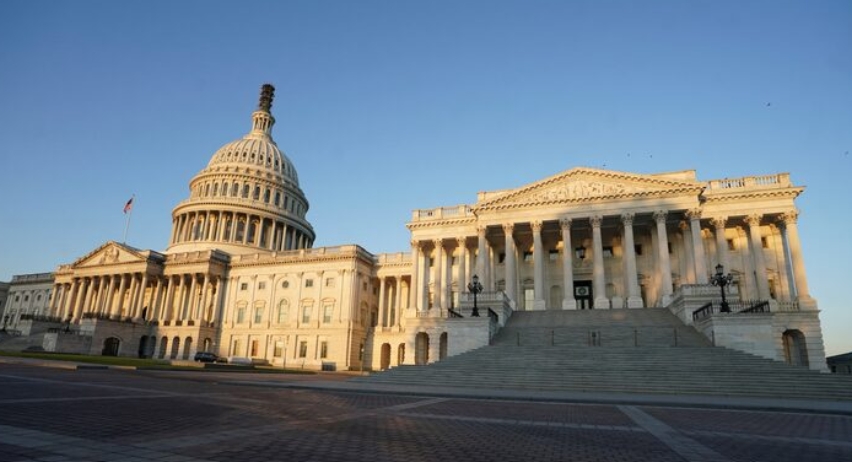
The Russian and north Korea Cooperation Regulation Act
Spearheaded by Republican representative Joe Wilson and Democratic Representative Gerry Connolly, the proposed bill, formally titled the Russian and North Korea Cooperation Regulation Act,
seeks to hold North Korea accountable for its actions. The legislation mandates meticulous tracking,reporting,and decisive action regarding all important movements
related to North Korea’s support for russia’s military operations in Ukraine.
This legislative push reflects growing concern within the US government regarding the deepening ties between Moscow and Pyongyang. Recent reports indicate a significant increase in trade and military cooperation between the two nations, raising fears of further destabilization in the region.
Demands for Increased Scrutiny and Penalties
According to a draft of the bill, the US Congress is urging the government to intensify its efforts to penalize any entities or individuals involved in facilitating cooperation between Moscow and Pyongyang. This includes financial institutions,businesses,and individuals who might potentially be aiding North Korea in circumventing existing sanctions or providing material support to Russia.
The proposed measures align with existing US sanctions regimes targeting North Korea’s nuclear weapons program and human rights abuses. Though, the new legislation specifically addresses the emerging threat posed by North Korea’s involvement in the Ukraine conflict.
Implications of North Korean Involvement
North Korea’s support for Russia in the Ukraine war has raised serious concerns among international observers. The provision of military equipment and personnel, even on a limited scale, could have significant implications for the conflict’s trajectory and the broader geopolitical landscape.
As of late 2024, reports suggest that North Korea has supplied Russia with millions of artillery shells and rockets, providing a crucial lifeline to Moscow’s depleted stockpiles. In return, North Korea is believed to be receiving economic assistance and advanced military technology from Russia, further bolstering its own military capabilities.
The US Congress is steadfast to hold North Korea accountable for its support of Russia’s illegal war in Ukraine.This legislation sends a clear message that such actions will not be tolerated.
Joe Wilson,Republican Representative
Looking Ahead: potential Impact and Challenges
The passage of the Russian and North Korea Cooperation regulation Act could have far-reaching consequences for both North Korea and Russia.Increased sanctions and scrutiny could further isolate North Korea from the international community and hinder its ability to finance its weapons programs. For russia, the loss of North Korean support could exacerbate its challenges on the battlefield in Ukraine.
However, enforcing these sanctions effectively will require close cooperation with international partners and a concerted effort to prevent evasion. The US government will need to work diligently to identify and disrupt any networks or individuals involved in facilitating illicit trade and military cooperation between North Korea and Russia.
North Korean Troops Bolster Russian Forces: A Violation of UN Resolutions?
May 1, 2025
Confirmation of Troop Deployment Sparks International Outcry
Recent confirmations indicate that North Korea has dispatched military personnel to aid Russia in its ongoing conflict. This move has ignited a firestorm of international condemnation, notably from the United States, which accuses both nations of violating existing United Nations resolutions.
The deployment follows claims from North korea last year that Ukrainian forces had struck the Kursk region, allegedly in an effort to assist Kremlin efforts. Though, these claims have been widely disputed.
Details of the North Korean contingent
Reports suggest that approximately 4,000 North Korean soldiers, including a reinforcement contingent of 3,000, have been deployed. This contingent aims to address Russia’s troop shortages, particularly considering vulnerabilities exposed by modern drone warfare and the limitations of older armored vehicles. Sources indicate that these soldiers have quickly adapted to the battlefield environment, despite facing significant casualties.
This deployment occurs amidst reports indicating Russia is struggling to maintain troop levels. Recent estimates suggest Russia has suffered over 150,000 casualties in the conflict, creating a significant need for reinforcements.
U.S. Condemnation and Calls for Action
The U.S. State Department has vehemently condemned north Korea’s military assistance to Russia, demanding an immediate cessation of these activities.Tami Bruce, a State Department spokesperson, addressed the issue during a daily press briefing, stating, North Korea’s involvement is unhelpful and only serves to prolong the conflict.
There are othre countries that encourage these massacres in Ukraine, help them keep moving.Other countries like North Korea—we have dragged the Ukrainian war for a long time and they must be responsible.
Tami Bruce,U.S. State Department Spokesperson
Bruce further emphasized the U.S.’s ongoing concerns regarding North Korea’s direct participation in the war,adding,We continue to worry about North Korea directly participating in the war. In return for Russian military support in north Korea, all the help of Russia to North Korea must be stopped.
Violation of UN Security Council Resolutions
The U.S. State Department highlights that North Korea’s actions directly contravene UN Security Council resolutions, which explicitly prohibit military training or support for North Korea. this latest progress raises serious questions about the effectiveness of international sanctions and the willingness of certain nations to abide by international law.
The UN Security Council resolutions,initially imposed in 2006 following North Korea’s first nuclear test,have been strengthened over the years to include thorough arms embargoes and restrictions on financial transactions. However, the continued military cooperation between North Korea and Russia suggests these measures are not being fully enforced.
Geopolitical Implications and future Outlook
The implications of this military alliance extend far beyond the immediate conflict. It signals a potential shift in global power dynamics and raises concerns about the proliferation of military technology and expertise.The international community now faces the challenge of addressing these violations and preventing further escalation.
South Korea Grapples with Soaring Suicide Rates: A Deep dive
By Archynetys News Team
May 1, 2025
A Nation in Crisis: Understanding South Korea’s Suicide epidemic
South Korea faces a persistent and deeply troubling challenge: a substantially high suicide rate compared to other developed nations. While various factors contribute to this complex issue,the numbers paint a stark picture of a society struggling with immense pressure and a lack of adequate support systems.
Recent data indicates a concerning trend, with suicide rates remaining stubbornly high despite ongoing efforts to address the problem. This article delves into the potential causes and consequences of this crisis, exploring the societal pressures, economic anxieties, and mental health stigmas that contribute to the alarming statistics.
The Numbers Don’t Lie: A Statistical Overview
The suicide rate in South Korea is a serious concern. While specific numbers fluctuate, the overall trend remains alarming.For example,data points from previous years,such as figures resembling “1718,” “1874,” and “2270,” highlight the consistent presence of this issue. These numbers, though potentially incomplete or contextual, serve as stark reminders of the lives affected by suicide.
To put this into viewpoint, consider that South korea consistently ranks among the top countries in the OECD for suicide rates.This necessitates a closer examination of the underlying factors driving these statistics.
Unpacking the Pressures: Societal and Economic Factors
Several interconnected factors contribute to South Korea’s high suicide rate. Intense academic pressure, particularly during formative years, creates immense stress on young people. The highly competitive job market further exacerbates these anxieties, leading to feelings of inadequacy and despair among those struggling to secure employment.
Furthermore, economic instability and financial strain play a significant role. The pressure to maintain a certain standard of living, coupled with rising costs and job insecurity, can push individuals to the brink. The elderly population is particularly vulnerable, often facing poverty and social isolation.
The Stigma of Mental Health: A Barrier to Help
A significant obstacle to addressing the suicide crisis is the pervasive stigma surrounding mental health in South Korean society. Seeking help for mental health issues is frequently enough viewed as a sign of weakness, preventing many individuals from accessing the support they desperately need.
This stigma creates a culture of silence, where individuals are reluctant to discuss their struggles or seek professional help. Overcoming this barrier requires a concerted effort to raise awareness, promote mental health literacy, and normalize seeking treatment.
Moving Forward: Addressing the Crisis
Addressing South Korea’s high suicide rate requires a multi-faceted approach that tackles the underlying societal, economic, and cultural factors. this includes:
- Investing in mental health services and making them more accessible.
- Reducing academic and professional pressures.
- Strengthening social safety nets to support vulnerable populations.
- Promoting mental health awareness and destigmatizing mental illness.
- Fostering a culture of empathy and support.
Only through a comprehensive and sustained effort can South Korea hope to reverse this troubling trend and create a society where individuals feel supported, valued, and empowered to seek help when they need it.
The post US-Russia-North Korea Sanctions Act: Restrictions Proposed appeared first on Archynetys.