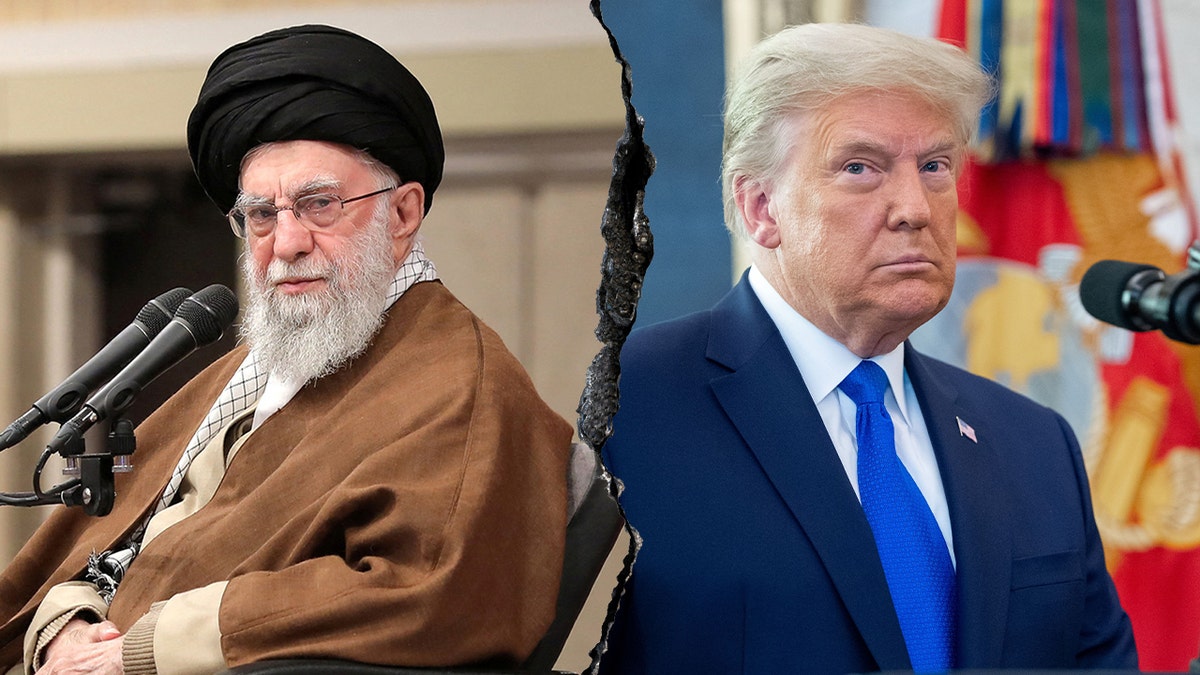
Negotiations between the United States and Iran regarding a 60-day ceasefire memorandum have stalled as of May 30, 2026. While technical teams reached a consensus on the deal’s terms last Tuesday, Iran’s senior leadership, including Supreme Leader Mojtaba Khamenei, has not provided the final approval required to move forward.
Stalled Memorandum of Understanding
Diplomatic efforts to stabilize the ongoing ceasefire between the United States and Iran face significant hurdles this week. Negotiators from both nations had reportedly finalized the terms of a 60-day memorandum of understanding (MoU) by Tuesday, May 26, 2026. The proposed agreement includes a formal commitment from Iran to cease the development of nuclear weapons and outlines a framework for the removal of the country’s enriched uranium stockpiles.
Despite the progress made by technical teams, including US envoy Steve Witkoff and Iranian counterparts such as Foreign Minister Abbas Araghchi and Parliament Speaker Mohammad-Bagher Ghalibaf, the agreement remains unsigned. Reports indicate that while Iranian negotiators had secured preliminary authorization to proceed, the senior leadership—specifically Mojtaba Khamenei—has withheld final consent.
President Donald Trump, who was briefed on the details of the MoU earlier this week, has also refrained from signing the document. According to sources familiar with the discussions, the President requested additional time to evaluate the terms before committing to the extension of the ceasefire.
The draft text, reviewed by officials at the U.S. State Department, reportedly contains specific protocols for International Atomic Energy Agency (IAEA) inspections of facilities in Natanz and Fordow. IAEA Director General Rafael Grossi stated in a press briefing in Vienna on Wednesday that his agency stands ready to “immediately deploy monitoring personnel” should the memorandum be formally ratified by both capitals. However, U.S. State Department spokesperson Matthew Miller noted in a daily press briefing on Friday that the administration remains “skeptical of procedural delays” that have historically characterized Iranian diplomatic engagement.
Internal Challenges in Tehran
The delay highlights broader difficulties within the Iranian power structure. Recent reporting suggests that Iranian officials tasked with engaging the Trump administration are struggling to maintain effective communication channels within their own government. This internal friction has complicated the ability of Tehran’s representatives to finalize high-stakes diplomatic agreements.
The current situation marks a continuation of the cautious approach adopted since Mojtaba Khamenei assumed the role of Supreme Leader. While there were indications in late March 2026 that Khamenei had agreed to engage in negotiations with the United States following a pause in communication, the current inability to finalize the 60-day MoU demonstrates the fragility of these diplomatic overtures.
The complexity of the current situation is further underscored by the roles of senior figures such as Ali Larijani, a top adviser to the Supreme Leader. Larijani has previously engaged in indirect talks with mediators, such as those held in Oman this past February, to explore potential pathways for de-escalation. However, these efforts have yet to translate into a sustained, signed agreement between the two primary powers.
Within the Iranian Majlis, Parliament Speaker Mohammad-Bagher Ghalibaf has faced mounting pressure from conservative factions who argue that the proposed surrender of enriched uranium constitutes a breach of the 2025 Strategic Action Plan. According to leaked minutes from a closed-door session of the Supreme National Security Council held on May 27, Ghalibaf argued that an immediate signing was necessary to prevent further economic isolation, yet he was countered by members of the Islamic Revolutionary Guard Corps (IRGC) leadership who demanded stricter security guarantees regarding U.S. naval posture in the Persian Gulf. This divide has forced the Supreme Leader to withhold his signature, effectively stalling the process at the highest level of the Iranian state.
US Policy and Ceasefire Dynamics
President Trump has repeatedly stated that the current conflict is not aimed at achieving regime change in Iran. Despite this stance, the administration’s approach remains tied to strict conditions regarding Iran’s nuclear program.
The proposed 60-day MoU was intended to serve as a bridge to a more comprehensive set of negotiations. By prioritizing the removal of enriched uranium, the deal sought to address one of the primary concerns of the United States. However, the lack of a clear “yes” from the senior Iranian leadership has left the ceasefire status in a state of limbo.
On the American side, the White House has maintained a policy of “calculated patience.” National Security Adviser Mike Waltz signaled during an interview on Fox News Sunday that while the administration is prepared to move forward, it will not offer further sanctions relief until the IAEA verifies the removal of the uranium stockpiles. The U.S. Treasury Department, led by Secretary Scott Bessent, has reportedly prepared a series of new enforcement measures aimed at Iranian oil exports should the ceasefire collapse entirely.
Regional stakeholders have expressed concern over the stalemate. A spokesperson for the Saudi Ministry of Foreign Affairs issued a statement on Thursday urging “all parties to prioritize regional stability and adhere to diplomatic commitments to prevent an escalation of hostilities.” Meanwhile, in Washington, a bipartisan group of senators led by Senator Lindsey Graham has publicly questioned the merits of the 60-day extension, citing concerns that Tehran may use the time to further harden its nuclear infrastructure.
For now, the diplomatic process remains in a holding pattern. With negotiators awaiting further instruction from their respective leaderships, the immediate future of the ceasefire depends on whether the Iranian Supreme Leader can consolidate his position and whether President Trump finds the terms of the memorandum sufficient to proceed. The impasse underscores the high degree of uncertainty currently surrounding US-Iran relations as both sides navigate the difficult transition toward a potential, though currently unconfirmed, agreement. As of May 30, no further meetings between the U.S. negotiating team and their Iranian counterparts have been scheduled, leaving the diplomatic track effectively frozen until further notice from either Tehran or the White House.