Animal welfare Group Accuses Dutch farmers of Calf Isolation: Farmers Rebut Claims
Table of Contents
- Animal welfare Group Accuses Dutch farmers of Calf Isolation: Farmers Rebut Claims
- Brainport Eindhoven Faces Critical tech Talent shortage
- Boer Zoekt Vrouw Controversy: Balancing Love and Agricultural Practices
- Animal Welfare Concerns Raised at Dutch Dairy Farm: NVWA Investigates
- Eindhoven’s Innovative Approach to Combating Labor Shortages
- Love in the Livestock: dutch Farmer’s Unique Quest for a Partner
- Dutch Farmers Embrace Innovative Solutions to Combat nitrogen Crisis
- The Shifting Sands of Remote Work: A Extensive Analysis
Published: May 21, 2025 by Archynetys.com
Wakker Dier Alleges Illegal Calf Housing Practices
A prominent animal welfare association, Wakker Dier, has initiated legal action against three Dutch farmers, including Martijn Smets from Haghorst, alleging violations of animal welfare laws. The core of the accusation revolves around the housing of young calves, wich Wakker Dier claims prevents crucial physical contact between the animals.
Wakker dier asserts that the design adn arrangement of the calf pens make it nearly unachievable for the calves to see or even sniff each other. this,they argue,is not only emotionally distressing for the animals but also a direct contravention of Dutch animal welfare regulations. The organization has publicly stated that the situation is heartbreaking
and constitutes a law violation.
As of the kind of boxes and how they have been put down, the calves cannot or hardly see each other. Let alone sniff each other.It is heartbreaking. And a law violation.
Wakker Dier press Release
Farmers Deny Wrongdoing, Dispute Allegations
In response to these accusations, Martijn Smets and his fellow farmers have vehemently denied any wrongdoing. They claim that the allegations made by Wakker Dier do not accurately reflect thier farming practices and commitment to animal welfare. The farmers maintain that their calf-rearing methods adhere to all legal requirements and prioritize the health and well-being of their animals.
Wakker Dier has formally requested that the Dutch Food and consumer Product Safety Authority (NVWA) conduct an immediate investigation into the matter. The organization hopes that the NVWA will swiftly address the alleged violations and ensure compliance with animal welfare standards.
the Broader Context: Calf Welfare in Modern Farming
This case highlights the ongoing debate surrounding calf welfare in modern agricultural practices. While individual housing for calves is sometiems used to prevent the spread of disease and ensure proper feeding, concerns remain about the potential negative impacts on social advancement and overall well-being. Studies have shown that calves benefit from social interaction, which can improve their cognitive abilities and reduce stress levels. According to a 2024 report by the European Food Safety Authority (EFSA), providing calves with opportunities for social contact can lead to improved growth rates and reduced instances of abnormal behaviors.
Looking Ahead: The NVWA’s Role
The NVWA’s investigation will be crucial in determining whether the farmers are indeed in violation of animal welfare laws. The outcome of this case could have meaningful implications for calf-rearing practices across the Netherlands and potentially influence animal welfare regulations in other countries. The focus remains on balancing the need for efficient farming practices with the ethical imperative to ensure the well-being of livestock.
Brainport Eindhoven Faces Critical tech Talent shortage
Published: May 21, 2025
The Growing Crisis in Eindhoven’s Tech Sector
brainport Eindhoven, a cornerstone of the Dutch economy and a global hub for technological innovation, is grappling with an increasingly severe shortage of skilled tech professionals. This scarcity threatens to stifle economic growth and impede the region’s ability to maintain its competitive edge in the global market.
Impact on Key Industries
The talent shortage is notably acute in sectors vital to Brainport’s success, including high-tech systems, automotive, and healthcare technology. Companies are struggling to fill critical roles in software engineering, data science, and advanced manufacturing, hindering their capacity to innovate and expand.

ASML‘s Expansion Hampered
The implications of this shortage are far-reaching. as a notable example, ASML, a linchpin of the Dutch economy and a world leader in semiconductor manufacturing technology, has publicly voiced concerns that the lack of qualified personnel could impede its aspiring expansion plans. ASML’s growth is intrinsically linked to the availability of skilled engineers and technicians, and any constraint on talent acquisition directly impacts its ability to meet global demand.
Without sufficient talent, we risk falling behind in the global race for technological supremacy.
A representative from ASML
root Causes and Contributing Factors
Several factors contribute to this growing crisis. A primary driver is the increasing demand for STEM (Science, Technology, Engineering, and Mathematics) skills across various industries, outpacing the current supply of qualified graduates. Furthermore, an aging workforce and a perceived lack of attractiveness of technical careers among younger generations exacerbate the problem.
Addressing the Shortage: Potential Solutions
Addressing this critical shortage requires a multi-faceted approach. Increased investment in STEM education, starting from primary school, is crucial to cultivate interest and build a strong foundation for future tech professionals. Furthermore, initiatives to attract and retain international talent, streamline immigration processes, and promote lifelong learning opportunities are essential.
- Boosting STEM Education: Enhancing curricula and providing resources to encourage students to pursue technical fields.
- Attracting International Talent: Simplifying visa processes and creating a welcoming environment for skilled workers from abroad.
- Promoting Lifelong Learning: Offering training and upskilling programs to help existing workers adapt to evolving technological demands.
The Path Forward
Brainport Eindhoven’s future as a leading technology hub hinges on its ability to overcome this talent shortage. By implementing proactive strategies and fostering collaboration between educational institutions, industry stakeholders, and government agencies, the region can secure its position as a global leader in innovation and economic growth. Failure to address this issue will undoubtedly have significant repercussions for the Dutch economy as a whole.
Boer Zoekt Vrouw Controversy: Balancing Love and Agricultural Practices
Published by Archynetys.com on May 21, 2025
The Intersection of Reality TV and Agricultural Realities
The popular Dutch television program, Boer Zoekt Vrouw (Farmer Wants a Wife), finds itself at the center of a debate. While the show primarily focuses on the romantic pursuits of farmers, questions are being raised about the portrayal of their agricultural practices and whether it accurately reflects the realities and regulations of modern farming.
Broadcaster responds to Concerns
KRO-NCRV, the broadcasting network behind Boer Zoekt Vrouw, has issued a statement addressing the concerns. The network emphasizes that the program’s core focus remains on the personal stories and romantic journeys of the participating farmers.They maintain that the show is not intended as a journalistic exposé on agricultural business operations.
The program is not a journalistic report about their business operations.
Farmers Defend Their Practices
According to KRO-NCRV,the farmers featured on the show feel misrepresented by any implication of improper practices. The broadcaster relays that the farmers assert they operate fully within the bounds of all applicable regulations. This defense highlights the sensitivity surrounding portrayals of agricultural work in the media.
KRO-NCRV states:
The farmers involved do not recognize themselves in the outlined image and indicate that they act within the applicable regulations.
The Delicate Balance: Entertainment vs.Accurate Representation
The controversy underscores the challenge of balancing entertainment with accurate representation, particularly when dealing with complex industries like agriculture. While boer Zoekt Vrouw aims to capture the human element of farming life, viewers and industry observers are keen to ensure that the portrayal doesn’t inadvertently misrepresent the realities and responsibilities of modern agricultural practices. This is especially relevant given increasing public interest in lasting and ethical farming methods.
For example, recent data indicates a growing consumer demand for transparency in food production, with 68% of consumers wanting to know more about where their food comes from
(Source: 2024 Food Industry Association Report). This heightened awareness places greater scrutiny on media portrayals of farming.
Animal Welfare Concerns Raised at Dutch Dairy Farm: NVWA Investigates
Animal Rights Group Alleges Inhumane Conditions
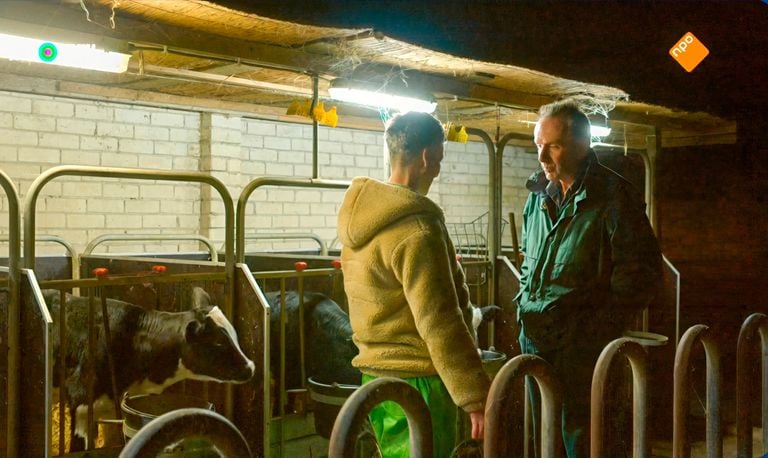
Wakker Dier, a prominent animal welfare organization, has filed a formal complaint against a dairy farm in the Netherlands, alleging that the calves are being kept in conditions that prevent natural social interaction. The complaint centers on the assertion that the calves are housed in a manner that restricts their ability to touch each other, raising concerns about their well-being and development.
Government Agency Launches Investigation
In response to Wakker Dier’s complaint, the Netherlands Food and Consumer Product Safety Authority (NVWA) has initiated an investigation into the dairy farm’s practices. The NVWA confirmed receipt of the enforcement request but has refrained from commenting on the specifics of the ongoing inquiry. A spokesperson stated, We can’t say anything about any results.
This cautious approach is standard procedure during active investigations to maintain impartiality and ensure the integrity of the process.
The central concern revolves around the importance of social interaction for young calves. Animal welfare experts emphasize that calves, like many social animals, benefit from interaction with their peers. these interactions contribute to their behavioral development, reduce stress, and promote overall well-being. Restricting this interaction can lead to behavioral problems and negatively impact their quality of life.
Industry Standards and Evolving Practices
While individual housing for calves has been a common practice in the dairy industry, there’s a growing movement towards group housing systems that allow for greater social interaction. These systems are designed to promote natural behaviors and improve overall animal welfare.The European Union, such as, has regulations in place regarding calf housing, with a focus on providing adequate space and opportunities for social contact.
according to a 2024 report by the World Animal Protection, providing calves with opportunities for social interaction is crucial for their behavioral and psychological well-being.
The report further highlights the importance of transitioning towards group housing systems to meet evolving ethical standards.
Looking Ahead: The Outcome of the Investigation
The outcome of the NVWA’s investigation could have significant implications for the dairy farm in question and potentially influence broader practices within the Dutch dairy industry.Depending on the findings, the farm could face penalties, be required to implement changes to its housing system, or be subject to increased scrutiny. The investigation underscores the growing importance of animal welfare considerations in modern agriculture and the role of regulatory bodies in ensuring compliance with ethical standards.
Eindhoven’s Innovative Approach to Combating Labor Shortages
Published: May 21,2025 by Archnetys
Addressing the Growing Labor Crisis in Eindhoven
Eindhoven, a city renowned for its technological prowess and vibrant economy, is proactively tackling a significant challenge: a growing labor shortage. This shortage, impacting various sectors from technology to healthcare, threatens to impede the city’s continued growth and innovation. Though,Eindhoven is not standing still. The city is pioneering innovative strategies to attract and retain talent, ensuring its economic vitality remains robust.
Strategic Initiatives to Attract and Retain Talent
Recognizing the multifaceted nature of the labor shortage,eindhoven is implementing a range of targeted initiatives. These strategies focus on enhancing the city’s appeal to both domestic and international workers.
Investing in Education and Skills Development
A key component of Eindhoven’s strategy involves substantial investment in education and skills development programs. These programs are designed to equip residents with the skills needed to fill in-demand positions, particularly in the technology sector.Collaborations between educational institutions and local businesses ensure that training curricula are aligned with industry needs. According to recent data from the Ministry of Education, these initiatives have already lead to a 15% increase in enrollment in vocational training programs related to technology and engineering.
Enhancing the City’s Liveability
Eindhoven understands that attracting talent goes beyond just job opportunities. The city is actively working to enhance its liveability, making it a more attractive place to live and work.This includes investments in green spaces, cultural amenities, and affordable housing. The city council has recently approved a plan to create several new parks and recreational areas, and also initiatives to promote sustainable transportation options.
Targeted Recruitment Campaigns
to attract talent from outside the region, Eindhoven is launching targeted recruitment campaigns aimed at specific demographics and skill sets. These campaigns highlight the city’s unique advantages, such as its thriving tech industry, its vibrant cultural scene, and its high quality of life. The campaigns utilize digital marketing, social media, and partnerships with international recruitment agencies to reach a global audience.
The Role of technology in Bridging the Gap
eindhoven’s reputation as a technology hub is proving to be an asset in addressing the labor shortage. The city is leveraging technology to streamline recruitment processes, improve training programs, and create more flexible work arrangements. for example,several companies in Eindhoven are experimenting with virtual reality training programs to provide employees with immersive and engaging learning experiences.
Technology is not just a solution; it’s an enabler. It allows us to connect with talent in new and innovative ways, and it helps us to create a more inclusive and accessible workplace.A spokesperson for the eindhoven City Council
Looking Ahead: A Sustainable Solution
while the challenges posed by the labor shortage are significant, eindhoven’s proactive and innovative approach offers a promising path forward. By investing in education, enhancing liveability, and leveraging technology, the city is positioning itself to attract and retain the talent it needs to thrive in the years to come. The success of these initiatives will not only benefit Eindhoven but could also serve as a model for other cities facing similar challenges.
Love in the Livestock: dutch Farmer’s Unique Quest for a Partner
A Farmer’s Heart: More Than Just fields and Furrows
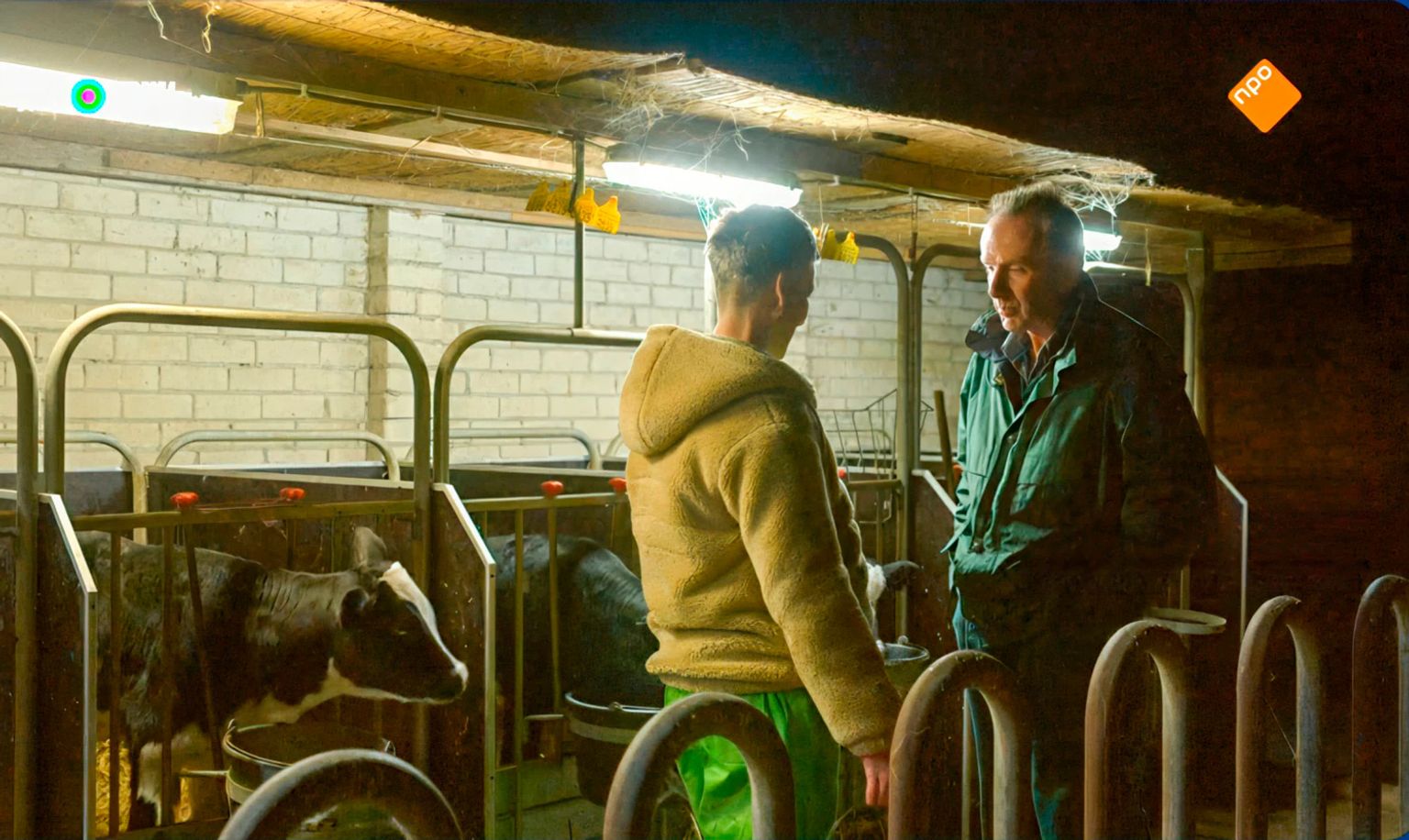
In a heartwarming twist to the traditional search for love, Jan, a farmer from the Netherlands, is seeking a partner who shares his deep commitment to animal welfare. Jan’s unique approach highlights a growing awareness of ethical farming and the importance of compassionate relationships, extending beyond human interaction to include the well-being of his livestock.
Animal Welfare as a Foundation for Love
Jan’s story reflects a growing trend. Consumers are increasingly conscious of where their food comes from,and this extends to personal relationships. For Jan, finding a partner who understands and supports his commitment to ethical farming practices is paramount. This includes ensuring his calves have adequate space and are raised in a stress-free environment.
The emphasis on animal welfare isn’t just a personal preference; it’s becoming a societal expectation. Studies show a direct correlation between animal welfare standards and consumer trust. A recent survey indicated that 75% of consumers are more likely to support farms with high animal welfare standards
. This shift in consumer behaviour is influencing farmers like Jan to prioritize ethical practices.
The Search for a Soulmate: A Modern-Day Farming Fairy Tale?
While Jan’s approach may seem unconventional, it underscores the evolving values in modern relationships. He is not just looking for a partner; he is seeking someone who shares his values and vision for a sustainable and compassionate future. His story is a reminder that love can be found in the most unexpected places, even amidst the fields and farm animals of rural Netherlands.
Dutch Farmers Embrace Innovative Solutions to Combat nitrogen Crisis
Archynetys.com – May 21, 2025
Facing the Challenge: The Nitrogen Dilemma in Dutch agriculture
The Netherlands, a nation renowned for its agricultural prowess, is currently grappling with a significant environmental challenge: nitrogen emissions.With some of the highest livestock densities in Europe, the country faces mounting pressure to reduce nitrogen output, which contributes to air and water pollution. This situation has sparked intense debate and prompted farmers to seek innovative and sustainable solutions.

Technological Advancements and Sustainable Practices
In response to these challenges, Dutch farmers are increasingly adopting cutting-edge technologies and sustainable practices. Precision farming, for example, allows for targeted fertilizer request, minimizing waste and reducing nitrogen runoff. Innovative barn designs, equipped with air purification systems, are also gaining traction, significantly lowering ammonia emissions from livestock.
Examples of Innovative Solutions
- Precision Farming: Utilizing GPS and sensor technology to optimize fertilizer use.
- Low-Emission Barns: Implementing air scrubbers and modified flooring to reduce ammonia emissions.
- Alternative Feeds: Exploring feed additives that reduce nitrogen excretion in livestock.
- Anaerobic Digestion: Converting manure into biogas, a renewable energy source, while also reducing nitrogen content.
Government Initiatives and Support
The Dutch government is actively supporting these efforts through subsidies, research grants, and regulatory frameworks that incentivize sustainable farming practices. Collaborative projects between farmers, researchers, and policymakers are crucial in developing and implementing effective solutions.
We are committed to working alongside our farmers to create a sustainable future for Dutch agriculture.
– A spokesperson for the Ministry of Agriculture, Nature and Food Quality
Looking Ahead: A Sustainable Future for Dutch Agriculture
While the nitrogen crisis presents significant challenges, it also offers an prospect for the Netherlands to lead the way in sustainable agriculture. By embracing innovation, fostering collaboration, and implementing effective policies, the country can pave the path towards a more environmentally kind and economically viable agricultural sector.The journey is complex, but the commitment to finding solutions remains strong.
The Shifting Sands of Remote Work: A Extensive Analysis
Published by Archynetys.com
May 21, 2025
The Rise and Re-Evaluation of Remote Work Models
The landscape of work has undergone a seismic shift in recent years, with remote work becoming increasingly prevalent. Initially embraced as a necessary adaptation to global events, its long-term viability and impact are now being rigorously assessed.While many companies initially rushed to implement fully remote policies, a more nuanced approach is emerging, balancing the benefits of versatility with the challenges of maintaining productivity and team cohesion.
Recent data indicates a growing trend towards hybrid models, where employees split their time between the office and remote locations. This approach seeks to capture the advantages of both worlds: the focused, independent work frequently enough achieved at home, and the collaborative, innovative environment fostered by in-person interaction. According to a recent study by Global Workplace Analytics, companies offering hybrid options are experiencing a 20% increase in employee retention compared to those mandating full-time office attendance.
Productivity Paradox: Unpacking the Remote Work Performance Debate
One of the most debated aspects of remote work is its impact on productivity. While some studies suggest that remote workers are more productive due to fewer distractions and greater autonomy, others highlight the potential for decreased collaboration and communication breakdowns. The reality is likely more complex, with productivity levels varying significantly depending on the individual, the role, and the company culture.
For example,a software developer might thrive in a remote environment where they can focus on coding without interruption. Though, a sales team might benefit more from the energy and spontaneous interactions of a shared office space. Companies are increasingly using data analytics to track productivity metrics and identify areas where remote work is either enhancing or hindering performance. This data-driven approach allows for more informed decisions about remote work policies and resource allocation.
The key to accomplished remote work lies not in simply replicating the office environment at home, but in creating a new paradigm that leverages the unique strengths of both settings.— Sarah Chen, Future of Work Consultant
The transition to remote work is not without its challenges. Maintaining team cohesion, fostering a strong company culture, and ensuring equitable access to resources are all critical considerations.Companies must invest in technology, training, and communication strategies to support remote workers and mitigate potential drawbacks.
However, the opportunities presented by remote work are equally significant. Access to a wider talent pool, reduced overhead costs, and increased employee satisfaction are just a few of the potential benefits.By embracing a flexible and adaptable approach, companies can harness the power of remote work to drive innovation, improve productivity, and create a more engaged and fulfilled workforce.
Furthermore, the rise of remote work has spurred innovation in collaboration tools and communication platforms. Companies like Slack, Microsoft Teams, and Zoom have become essential for facilitating remote communication and collaboration. The ongoing development of these technologies will continue to shape the future of remote work, making it easier for teams to connect, collaborate, and achieve their goals, regardless of location.
The Future of Work: A Hybrid and Human-Centric Approach
Looking ahead, the future of work is likely to be characterized by a hybrid model that combines the best aspects of remote and in-office work. This approach will require companies to be more flexible, adaptable, and human-centric in their policies and practices. By prioritizing employee well-being, fostering a culture of trust and transparency, and investing in the right technology, companies can create a work environment that is both productive and fulfilling.
Ultimately, the success of remote work depends on a fundamental shift in mindset. Instead of viewing remote work as a temporary solution, companies must embrace it as a strategic opportunity to create a more innovative, engaged, and resilient workforce. This requires a willingness to experiment, learn, and adapt to the evolving needs of both the business and its employees.
The post Farmer Martijn: Response to Accusations | Omroep Brabant appeared first on Archynetys.