U.S. President Donald Trump escalated rhetoric toward Iran on May 18, 2026, posting on Truth Social that there won’t be anything left of them
if Tehran does not act swiftly, following a weekend national security meeting where officials discussed the Strait of Hormuz crisis and Iran’s stalled diplomatic plan.
Trump’s Ultimatum: “Time Is of the Essence”
President Donald Trump’s warning to Iran marks a sharp escalation in a conflict that has strained global oil markets and deepened regional tensions. On Sunday, May 17, Trump posted on Truth Social: For Iran, the Clock is Ticking, and they better get moving, FAST, or there won’t be anything left of them. TIME IS OF THE ESSENENCE!
The message came a day after he met with top national security officials—including Vice President JD Vance, Secretary of State Marco Rubio, CIA Director John Ratcliffe, and special envoy Steve Witkoff—to assess the path forward in the Iran war.

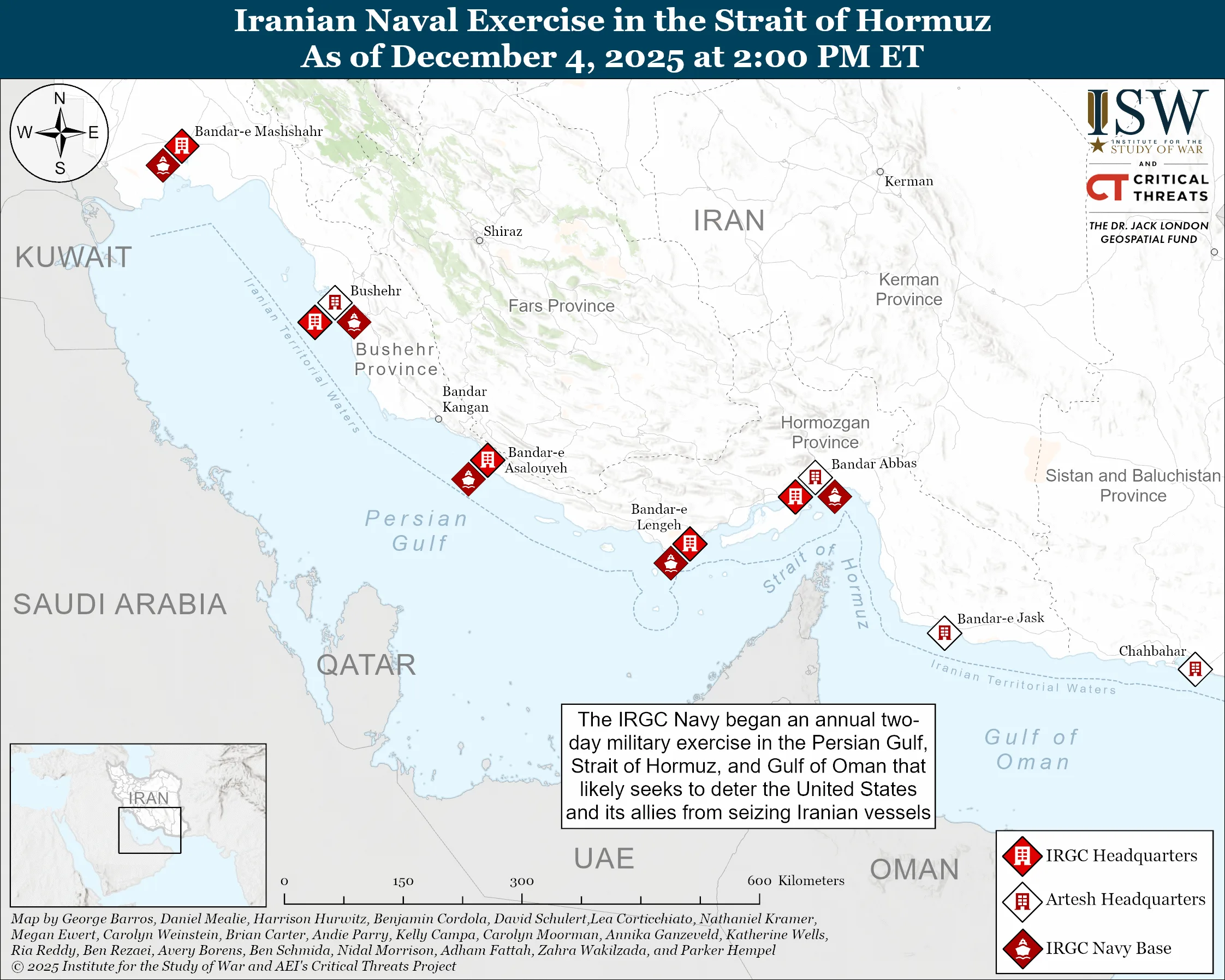
The White House did not immediately respond to requests for comment, but the meeting followed Trump’s return from a high-stakes visit to China, a nation with close ties to Tehran. The administration’s frustration centers on Iran’s continued closure of the Strait of Hormuz, which has disrupted global oil supplies and sent prices surging. Trump had previously rejected a 14-point Iranian proposal to end the conflict, calling it totally unacceptable
.
Diplomatic Deadlock: Iran’s Response and U.S. Rejection
Iran’s foreign ministry confirmed on May 18 that it had sent a revised response to U.S. criticism of its earlier plan, mediated through Pakistan. Spokesperson Esmaeil Baghaei stated that Our points of view were presented to the American side in return. Therefore, the process continues through Pakistan
, according to the state news agency IRNA. However, the U.S. has not signaled any shift in its hardline stance, with Trump’s latest warning suggesting little room for negotiation.

The breakdown in diplomacy reflects deeper divisions. The U.S. has accused Iran of prolonging the crisis to maintain leverage, while Tehran cites American refusal to engage with its core demands, including the lifting of sanctions and a withdrawal of forces from the region. The Strait of Hormuz, a critical chokepoint for global energy trade, remains closed, with Iran citing unspecified security concerns
as justification. The closure has triggered emergency measures in several countries, including fuel rationing in Europe and Asia.
Regional and Global Fallout
The escalation risks drawing in regional allies and global powers. China, which hosted Trump earlier this month, has maintained a neutral stance but faces pressure from both sides. The U.S. has accused Beijing of enabling Iranian evasion of sanctions, while Iran has accused Washington of using China as a proxy
for indirect negotiations. Meanwhile, Saudi Arabia and Israel—both locked in their own conflicts with Iranian-backed groups—have signaled readiness to respond to any further Iranian provocations.
In Europe, the closure of the Strait of Hormuz has prompted emergency talks among energy ministers. The European Union’s foreign policy chief, Josep Borrell, warned on May 17 that the situation is reaching a breaking point
, urging both sides to de-escalate. The U.S. has also accelerated military drills in the Gulf, including joint exercises with Saudi Arabia and the UAE, though officials have stopped short of openly threatening preemptive strikes.
What Comes Next: Escalation or Negotiation?
The immediate question is whether Trump’s rhetoric will lead to further military action or force Iran back to the negotiating table. Iran’s foreign ministry has framed the current phase as a diplomatic process
, but the U.S. has shown little patience for incremental steps. Analysts warn that the Strait of Hormuz closure, now in its sixth week, has become a line in the sand
for both sides, with economic and strategic stakes too high to back down.

One wildcard remains Pakistan, which has hosted multiple rounds of indirect talks. Islamabad has urged restraint but faces pressure from both the U.S. and Iran to deliver results. If the current deadlock persists, the risk of accidental clashes—such as miscalculated drone strikes or naval skirmishes—could rise sharply. For now, the clock is ticking, and the window for de-escalation appears to be narrowing.
The next critical juncture will be the follow-up meeting between Trump and his national security team, expected early this week. Any decision to escalate—whether through military force, further sanctions, or a shift in diplomatic strategy—will have immediate and far-reaching consequences for global energy markets and regional stability.